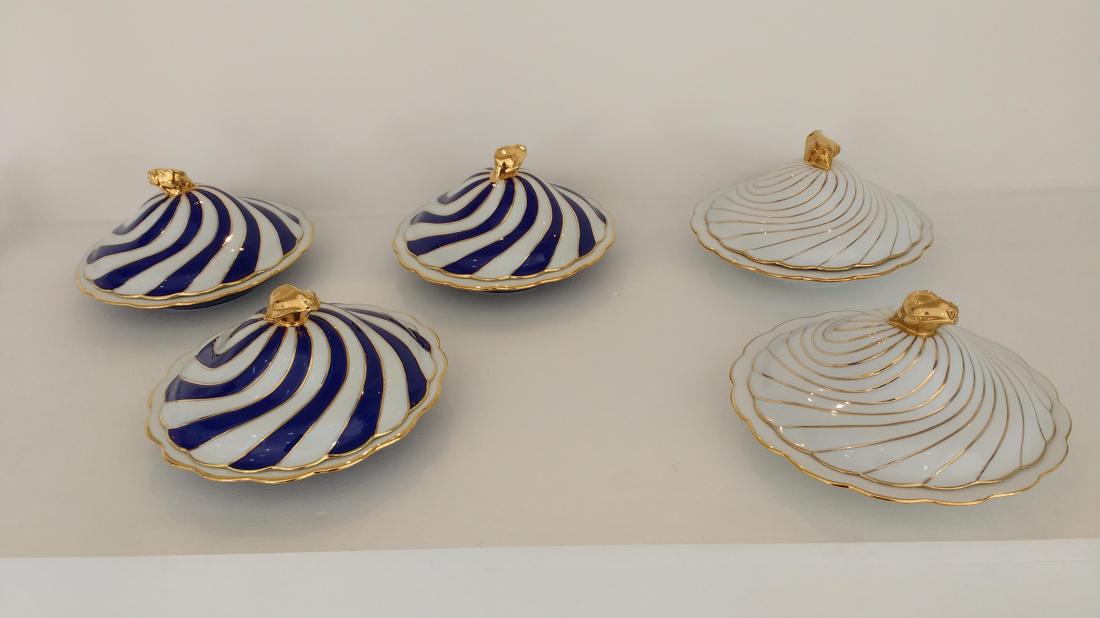
You know all these ornate plates, jugs and Turkish coffee cups that you see in The Mangnificent Century and other Turkish series? Some of them might just have been made in the Yıldız porcelain factory in Istanbul.
I find it hard to dive straight into porcelain without mentioning the Ottoman tile making tradition. Magnificent tiles in geometric and tulip patterns were made in the modern-day Turkish town of Iznik, once Nicaea, as far back as 7000 B.C. Their popularity peaked around the 16th century; the walls of the Blue Mosque, one of Istanbul’s most famous landmarks, are covered with more than 20 000 tiles in 50 patterns.
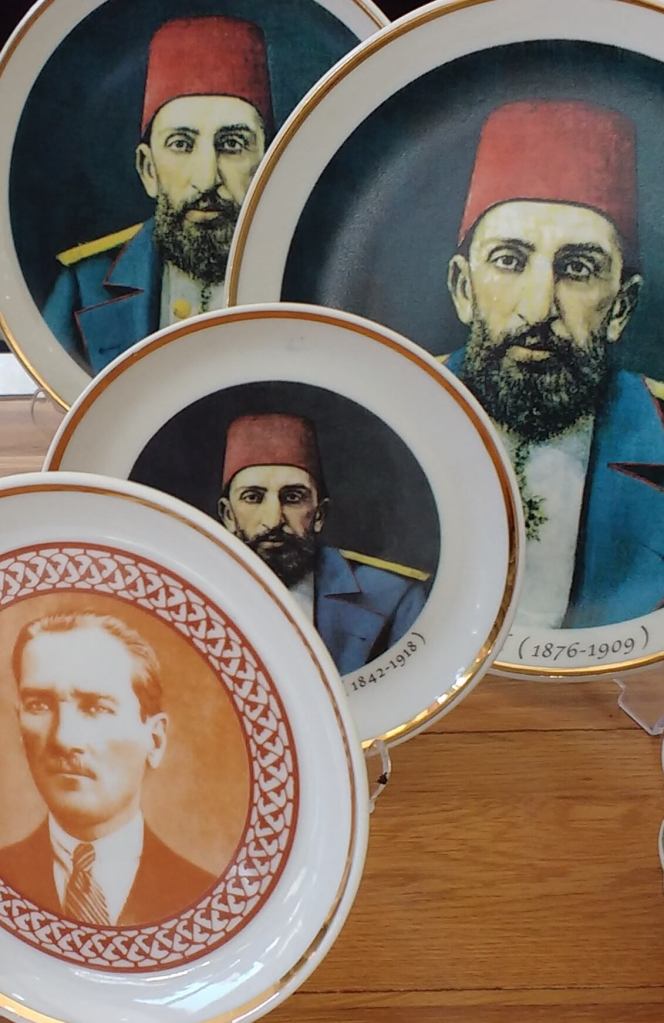
The Ottoman sultans, had developed a fine taste for interior design, as is rather obvious from the numerous porcelain vases they brought to their palaces all the way from China, Japan and the French towns of Limoge and Sevres. No wonder sultan Abdulhamid (1842 – 1918) decided to build the Yıldız porcelain factory closer to home (quite literally – he resided in the Yıldız palace next door) to meet the needs of the many imperial palaces.
The factory is accessible from Yıldız park, which is a relatively short walk from the Besiktas ferry / bus station. There is quite a wall separating the grounds of Galatasaray university and the park from the busy main road. I gave this wall no thought at all – why would anyone? – apart from acknlowledging its imposing presence in passing, until I accidentally discovered that it had been much lower back in the day and it was raised by 5 to 10 meters following a failed assisination attempt on the sultan on the 21st July 1905. Istanbul has its many firsts; this was the first ever recorded use of a time bomb in history.
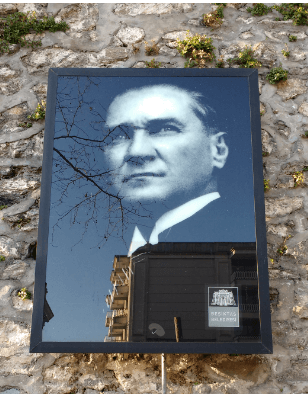
Apart from its size, the wall gives away no clues about these turbulent times. Now, it functions as an outdoor photo gallery of sorts, made up of old, classy, black and white images of Ataturk.
Once in the park, a sense of serenity washed over me. Was this really the city of 16 million people, which Turkish author Orhan Pamuk describes as a place where commuters are caught in a jungle of elbows and knees that seem to belong to no-one? The crowds had disappeared as if by magic. There were no more than 10 people in the park; it was perfectly relaxing.
As I struggled up the steep road I wondered whether they really had to put the factory atop the hill, back in the day when, one would imagine, the sultan and his people could have had their pick of more easily accessible, flatter sites.
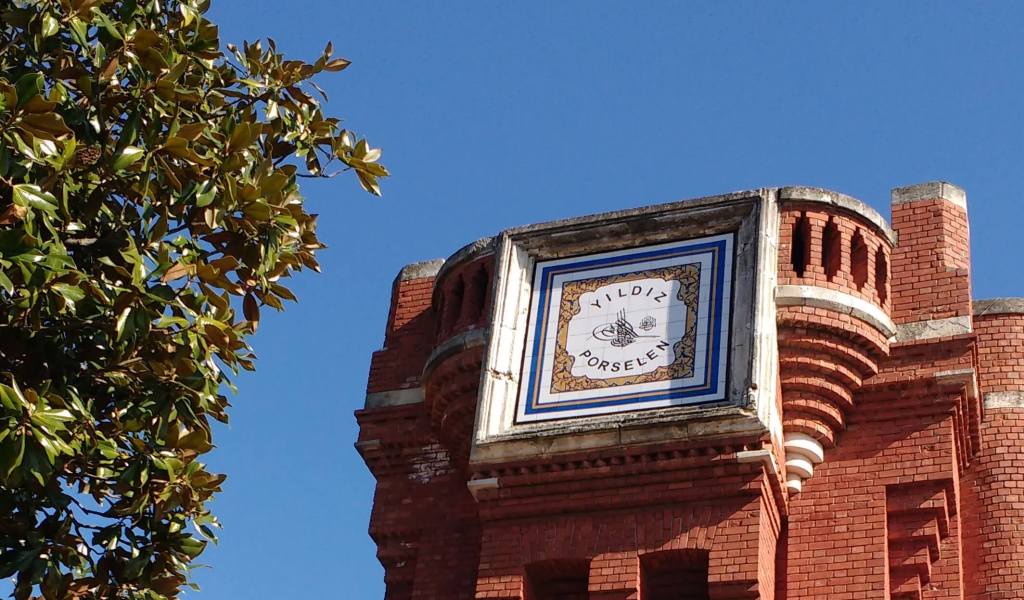
The factory is open for visitors only on weekdays and it seemed I was the only one that day. The staff were just so friendly and treated me like a royalty. I struggled to keep up with the (rather one-sided) conversations in Turkish far more than I struggled on the uphill road, hanging on to every Turkish word I knew – muftak (kitchen), urunler (products), magazlar (shops), kalip (mould).
The various products (vases, ashtrays, coffee cups) are first put into moulds. If made from more than one part, the various parts are combined while the material is still damp. These are then sent to the large factory ovens. The finished products are decorated by hand in the decoration room. The decorators can follow a pattern or can let their imagination run wild. Some of the decorated products will later return to the oven, where the high temperature will bring out the colour of the dye, changing it, in some cases, quite dramatically.
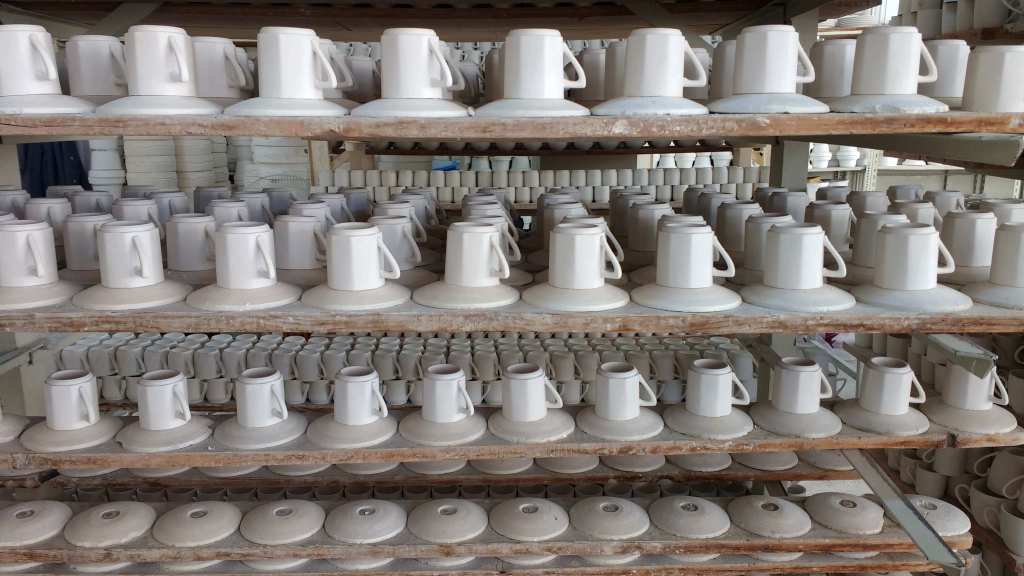
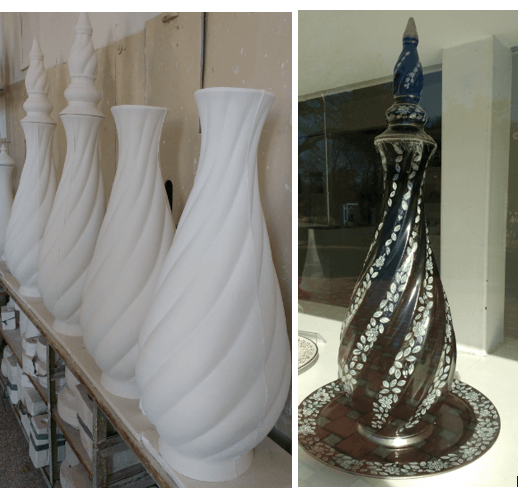
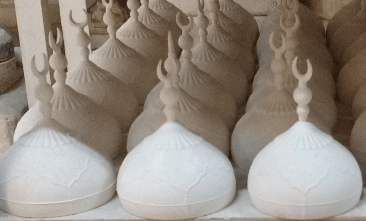
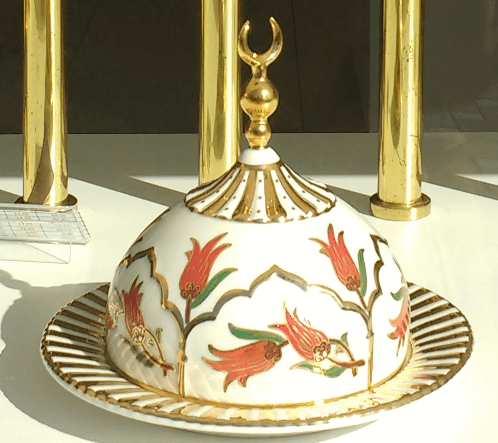
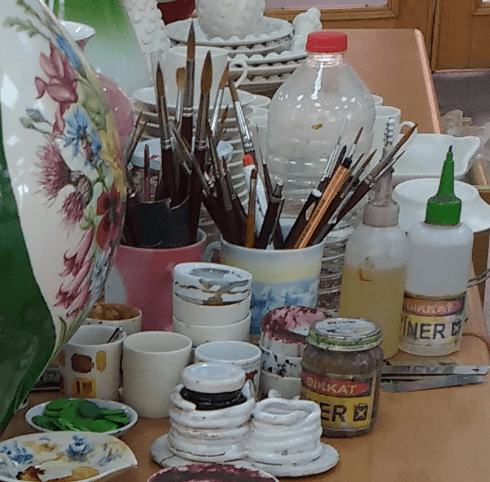
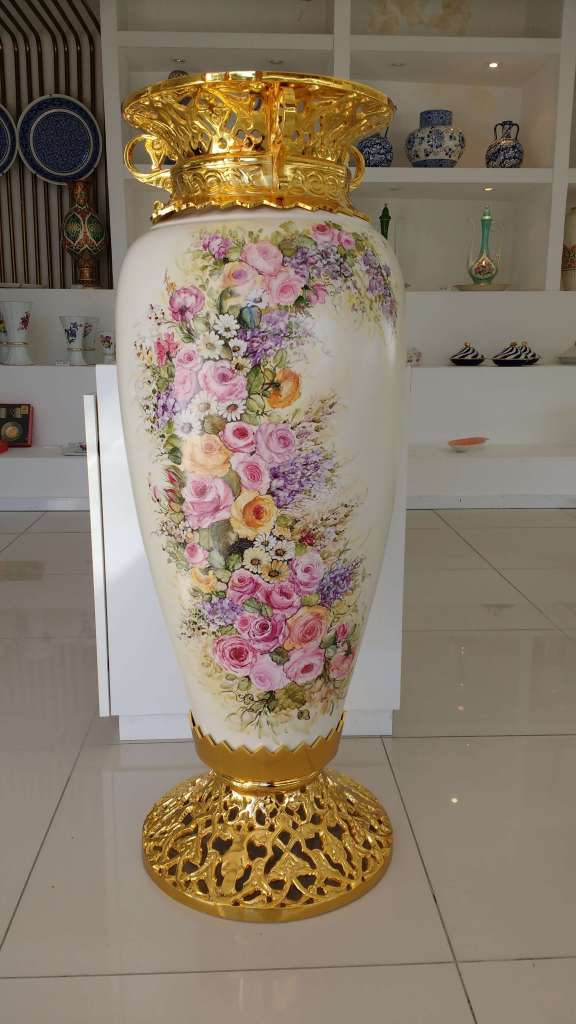
The finished products are available for purchase in the factory shop, which is also on site. They were beautiful, if a little expensive; the price is fully justified by the amount of hard work and patience that goes into each of these products.
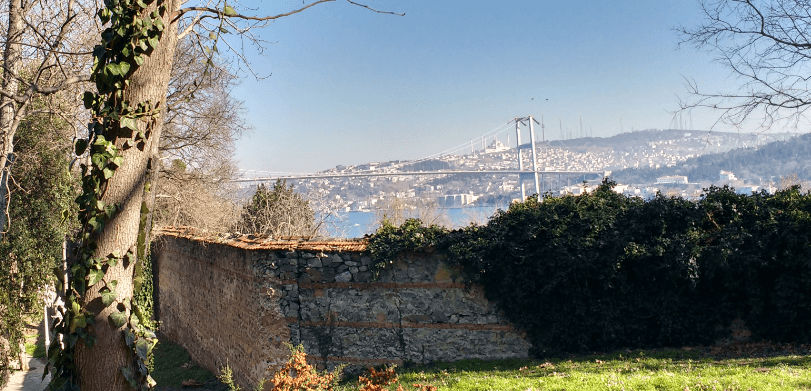
One could combine a visit to the factory with a walk around the beautiful Yıldız park. Whilst it can be busy on weekends, today passers-by were few and the walk was perfectly relaxing. Behind the factory, a more secluded part of the park can be accessed, with great views towards the first Bosphorus bridge.
Back in the main part of the park, a major attraction for hungry art and architecture lovers is the cafeteria in the Malta pavilion, which was built by sultan Abdul Aziz in the 19th century and served as a place for relaxation. It boasts incredible views towards the Maiden’s tower and Sultanahmet, the historic penninsula. The building of the pavilion is opulent – chandeliers, portraits, richly decorated ceilings, sculptures and even the toilets are noteworthy. (The latter reminded me of the toilets in the Philharmonic pub in Liverpool. I recommend the Philharmonic – it’s awesome!) All in all, an afternoon well spent…
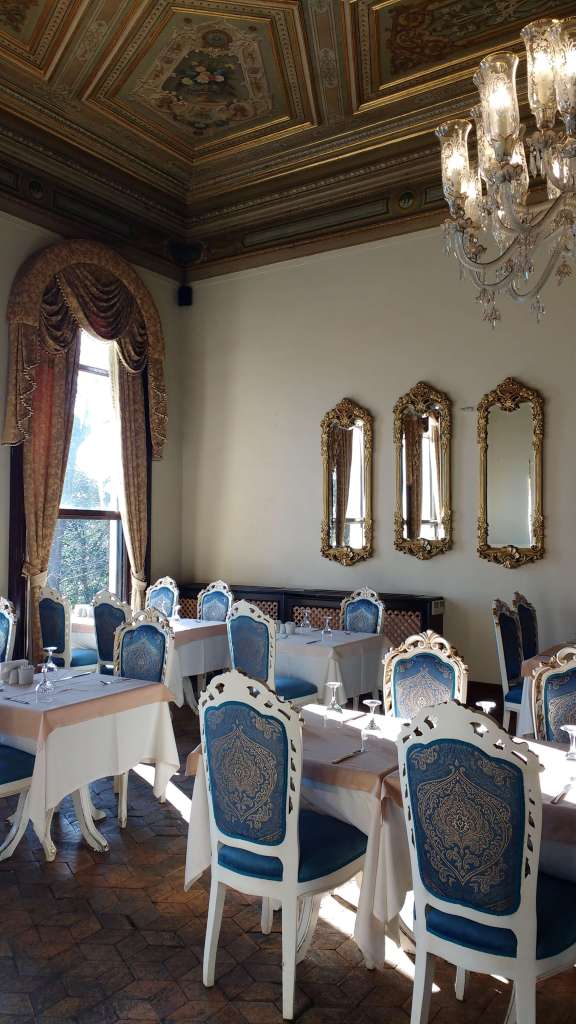
Malta pavilion, Yildiz park, Istanbul

 Purple Travel Path